Natural ventilation is key part of environmental strategy
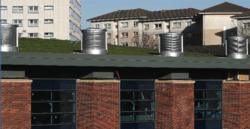
Natural ventilation using 13 Passivent high-capacity terminals is a key part of the environmental strategy for lettable office space for business start-ups in Airdrie town centre.



Lighting the way
Halesowen College has set a sustainability example for higher education institutions by installing smart lighting as part of its latest environmental initiative, making up to 85% energy savings compared to the previous system.
BESA updates HIU Test Standard
The Building Engineering Services Association (BESA) has announced an important update to its UK Heat Interface Unit (HIU) Test Standard, further strengthening performance benchmarks and supporting the sector’s readiness for incoming heat network regulation.