


Passively reducing carbon footprint
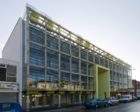
Contributing to the improved energy efficiency of a refurbished 1960s office 4-storey office block in Burngreave, Sheffield, is the application of Passivent natural-ventilation techniques. The systems ensure a fresh yet quiet internal environment in what is designed to provide a landmark building to act as a catalyst for the 10-year regeneration programme.
The refurbishment also includes a fully glazed twin-wall facade and biomass solid-fuel heating system.
Passivent Aircool window ventilation inlets in the glazed facade allow fresh air into the 3500 m2 of offices using natural pressure variations. They also attenuate outside noise.
Some 25 suspended-ceiling louvres also use principles of natural air movement to distribute the fresh air throughout the building.
The twin walls of the facade glazing and internal vertical ducts create a stack effect to encourage warm air to rise and be exhausted via four Passivent Airstract high-capacity terminals on the roof and 10 terminals above the twin-wall facade.
By operating continuously, the natural ventilation provides free cooling at night. Such systems have been shown to reduce energy consumption by up to 50% compared with air-conditioning. They also yield 15% savings on capital costs and 75% on maintenance costs