9. Natural ventilation
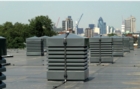
55 Monodraught Windcatchers on the roof of this building on Kennington Park Business Centre in London provide natural ventilation, with cooling, for offices on the third floor.


Yorkshire and Humber leaders set out plans to tackle skills shortages
Leaders from across Yorkshire and the Humber came together on Friday 11th September to launch ambitious plans aimed at tackling the region’s growing construction skills shortages.
Six in 10 UK businesses look to adapt operations in response to extreme heat
According to the Q2 Barclays Business Prosperity Index, six in 10 businesses surveyed (60%) have either increased investment to adapt to extreme heat (37%) or are considering doing so (23%).