

Construction workers among those most at risk of harm from climate change, new report finds
A global safety charity is calling for more research into the most effective ways to protect workers in the construction industry from safety risks posed by climate change.
According to a report from Lloyd’s Register Foundation’s new Global Safety Evidence Centre, construction workers are increasingly at risk from harm posed by extreme weather events, high temperatures and exposure to UV radiation.
The Foundation’s World Risk Poll shows that one in five workers globally (18%) experienced harm at work in the last two years – a figure that rises to 22% in the construction industry. The International Labour Organisation (ILO) estimates workplace harm to be the cause of three million deaths annually. According to the new report, 12 out of every 100,000 construction workers experience a fatal injury.
Climate change impacts threaten to increase this rate of harm, and rising temperatures are one of the areas of concern the report outlines. Extreme heat exposure increases the risk of work injuries by 1% for every 1°C increase, and 17.4% in heatwaves, especially in subtropical climates.
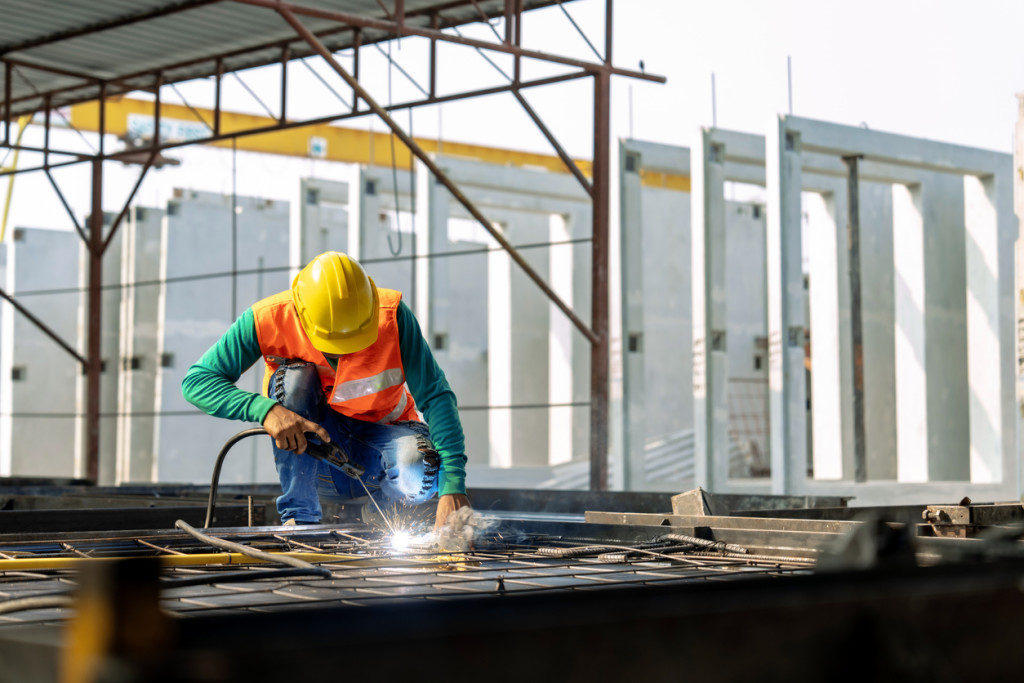
While workers across all industries face a host of direct and indirect risks as a result of climate change, including UV radiation and extreme weather events, those in the construction industry were found to be particularly at risk of heat-related physical injuries, such as burns from handling hot machinery and heat stress. This is especially the case for outdoor manual labourers, as well as migrant workers, and workers in regions that experience heat waves, wildfires and high humidity.
Nancy Hey, Director of Evidence and Insight at Lloyd’s Register Foundation, said: “As the effects of climate change continue, the impact on work is also changing. This affects all of us, but some sectors and geographies stand to be more affected than others.
“As this report highlights, there is a lack of evidence on how to protect workers from these growing risks, particularly in low – and middle-income countries. Filling these gaps in knowledge should be an urgent priority – this work will enable lives and livelihoods to continue safely, and is essential to a thriving global economy.”