Sophisticated control for natural ventilation
passivent
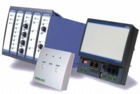
Effective control of natural ventilation is provided by Passivent’s enhanced digital control range.
A method of controlling natural air movement to ventilate buildings is recognised by the Energy Technology and, therefore, qualifies for Enhanced Capital Allowances. Passivent’s enhanced digital control range for zonal applications can be programmed to meet the demands of different applications. It provides separate control of several zones and a strategy for night cooling. There are sensors for internal and external temperatures, carbon dioxide, air quality and humidity. Wayne Aston, technical manager of Passivent Commercial, explains, ‘Building Regulations are increasingly focusing on lowering energy use, as well as preventing overheating in buildings. Low-energy natural ventilation is itself increasingly being used to help achieve sustainable and environmentally friendly buildings, but for it to work effectively, it has to be properly controlled to balance air movement, air quality, daytime heat build-up and night cooling. ‘That control needs to adjustable for each room — and still allow occupants to take control of their environment. Our range of controls has been specifically developed to provide this, hence its eligibility for the Enhanced Capital Allowance Scheme.’ Passivent’s service for control systems includes selection advice, wiring diagrams, installation, commissioning, post-installation inspection at six months and on-going site demonstration and training — all carried out in accordance with CIBSE Guide C.’
For more information on this story, click here: Feb08, 80

Related links:
Related articles:


modbs tv logo

Lighting the way

Halesowen College has set a sustainability example for higher education institutions by installing smart lighting as part of its latest environmental initiative, making up to 85% energy savings compared to the previous system.

BESA updates HIU Test Standard

The Building Engineering Services Association (BESA) has announced an important update to its UK Heat Interface Unit (HIU) Test Standard, further strengthening performance benchmarks and supporting the sector’s readiness for incoming heat network regulation.