


PIR sensors slash lighting costs in Cheltenham
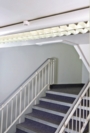
Huge reductions in the energy used to light two staircases in the 12-storey Eagle Tower building in Cheltenham are being achieved using CP Electronics’ Mini PIR sensors. They were specified by consulting engineers BME Partnership, whose offices are also in the tower.
BME became aware that the 2-sided staircase had very little control for the 71 twin fittings. The staircases are not in constant use, so BME suggested installing CP’s Mini PIRs, which are probably the smallest in the world. Installation costs were minimised by adding the sensors to the existing fittings using Eagle Tower’s in-house electricians.
Chris Green of BME comments, ‘We are very pleased with the installation of CP’s Mini PIR sensors. With 71 fittings running 24 hours a day, seven days a week, it was calculated that 98 112 kWh was being used per year. By installing the Mini PIRs, we have reduced energy consumption by 85% in the staircase areas.’