

Demand-controlled ventilation for homes is cost effective
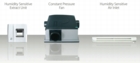
Aereco’s demand-controlled ventilation (DCV) system for homes is said to use much less energy than conventional systems. Its capital cost is also lower and it is quicker to install. Maintenance and operating costs are also low.
Humidity sensors on the grilles respond to occupancy and deliver only a trickle of air if no-one is at home.
If there are humidity sensors on the air inlets and the air extract units, the volume of air is modulated according to the local relative humidity. When used on extract grilles in bathrooms, this control technique prevents pollutants and mould developing.
These DCV systems are suited to social- and private-housing projects and also provide an attractive option for new air-tight houses. The latest Part F of the Building Regulations mentions DCV systems in paragraph 4.18 as maintaining a good indoor air quality without over-ventilating and, therefore, reducing energy consumption.