A just case for energy-efficient lighting in Exeter Crown & County Court
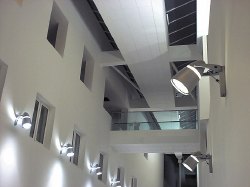
Energy-efficient lighting makes an important contribution to the overall energy efficiency of this new court at Exeter.



BCIA welcomes tougher commercial building energy standards but calls for greater ambition across the wider sector
The Building Controls Industry Association (BCIA) has welcomed the government’s confirmation that privately rented non-domestic buildings over 1,000 square metres in England and Wales will be expected to achieve a minimum EPC B rating by 2031, describing the move as an important step forward in improving the energy performance of the UK’s commercial building stock.
GOLDBECK commits to three-year schools partnership to inspire Cardiff’s future construction talent
GOLDBECK has launched a new long-term education initiative in Cardiff, committing to support three local primary schools as part of a programme designed to introduce young children to enterprise, careers and the wider world of construction.