


Replacement LEDs cut energy and maintenance costs
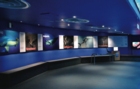
Energy savings of over 35 MWh a year are expected following the replacement of 35 and 50 W halogen lamps with LED lamps from Megaman. These 7 W GU10 lamps have been installed throughout the main public areas of the National Maritime Aquarium in Plymouth and are expected to reduce CO2 emissions by over 15 t a year.
The aquarium had been looking to change existing halogen lamps in these areas for some time and approached local wholesaler Western Electrical for advice.
Senior engineer Jim Farley explains, ‘The original halogen lamps had a very short life, so we were constantly replacing them — plus the heat generated was a problem over some of the smaller chilled-water tanks.
‘Having trialled various leading brands, none actually came anywhere near to the lux performance of the existing 35 and 50 W halogens until Megaman’s 7 W LED GU10s were put to the test.’
These lamps have a life that it up to 25 times longer than their halogen dichroic equivalent and three times less heat output. They can be retrofitted into existing fittings, providing a fast return on investment.’
The original electrical system included 240 V, 12 V and track fittings, so some of the fittings were changed to allow for a uniform GU10 mains-powered system throughout and simplify maintenance requirements.