


Making buildings smarter
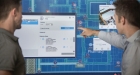
Honeywell’s Command & Control Suite smart-building technology uses complex facility data to make recommendations and suggest changes that are easy to implement — helping to boost business outcomes, reduce costs, minimise risk and reduce downtime.
The suite links building automation and the enterprise. It provides an holistic view of a connected building’s video feed, access control and fire alarms, for example, and pulls in relevant data from human-resource applications. Integrating such data could help security personnel to track occupants and ensure they have left the facility in the event of an evacuation.
All components of the suite were built with the intuitive, consumer-friendly simplicity of tablets and smartphones, making the technology available to facilities managers and chief operating officers. Virtually anyone can understand and act on the insights the command suite provides, enabling companies to improve business continuity and efficiency, and get a higher return on investment.
The Command Wall presents data from multiple systems across a facility, such as utility meters and temperature sensors, while providing context for more informed decision making.
According to a recent report by Jones Lang LaSalle, investing in the type of smart-building technology typically pays for itself within a year or two by delivering operational efficiencies and energy savings.
Command & Control Suite technologies integrate with Honeywell’s building-management platform Enterprise Buildings Integrator (EBI), which helps integrate security, comfort, life safety and energy systems — among other functions.