Museum enjoys benefits of continuous radiant tube heating
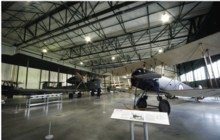
When radiant plaque heaters were found to be unsuitable for heating this building of the Royal Air Force Museum at Hendon, they were replaced with a Nor-Ray-Vac continuous radiant-tube system.
To meet the special requirements of the new exhibition hall of the Royal Aircraft Museum at Hendon, Nor-Ray-Vac continuous radiant tube heating has been installed. It replaces gas-fired radiant plaque heaters that were originally specified for the reconstructed Grahame-White Aircraft Factory, but which proved unsuitable. The continuous system delivers low-intensity heat with even distribution to create comfort conditions for visitors and staff but without affecting the valuable aircraft which are displayed in the museum. This important Grade 2 listed building houses priceless early aircraft and associated exhibits. It has been moved to a new position on the site, complete with five huge timber Belfast trusses that span the full width of the structure to stand alongside other period buildings. The new heating system comprises six linear burners with one discharge fan. The heaters are controlled in two separate zones, so the museum can shut down heating in one section when required. The choice of the Nor-Ray-Vac system was based on previous experience. Mike Gell, building and services manager at the Royal Air Force Museum, explains, ‘We have used this type of radiant heating for a number of years in other museum buildings on this site, and similar Ambi-Rad heating in our sister museum at Cosford in Shropshire. We have found it to be a cost-effective solution for heating our large display halls and aircraft hangars.’
Related links: