


DALI shows its capabilities in providing versatile lighting control
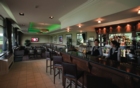
The refurbishment and extension of Rockcliffe Hall in Darlington to create a luxury hotel makes extensive use of a Philips Dynalite lighting-management system for energy management and highly flexible scene setting. Using the DALI (digital addressable lighting interface) protocol, a single lighting-control system manages lighting in five separate buildings.
The 18th-century Rockcliffe Hall has been restored and extended to create a luxury hotel, spa and golf course — while retaining the grandeur of its heritage. Original features have been blended with contemporary furnishings, and the lighting plays a key role in establishing the required ambience. The system enables different lighting scenes to be selected to suit different activities; for example, lighting for a wedding reception can be selected to complement a particular colour theme.
The design team (comprising KLS Lighting Design, consulting engineers White Young Green and contractor Shepherd Engineering Services) considered a number of options. It was recognised that a DALI-based system would reduce costs and simplify wiring requirements.
Kristina Simpson of KLS explains, ‘Using the DALI system enabled us to make each individual luminaire addressable, so there are no circuit limitations and the possibilities are almost unlimited. Rather than having to plan everything months in advance before the cabling began, we were able to fine-tune the lighting scenes on site.’
The lighting-management system was also required to control various light sources — including LEDs, fluorescent, tungsten halogen and metal halide. In some cases this required special combinations of control gear or drivers and DALI interfaces, with mock ups in the site hut to test different solutions before installation.
Guests can turn off all lights in their room with a single switch rather than individually and risk leaving some lights on.
Energy-saving features include presence detection in areas of variable occupancy and daylight linking.
A high-speed network provides communication between different parts of the site, including the golf clubhouse, which is over 100 m from the main building. All lighting can thus be controlled centrally using Philips Mapview graphical and system-management software, enabling energy consumption and other aspects of lighting performance to be monitored.