

Toshiba responds to suggestions of banning refrigerant pre-charging
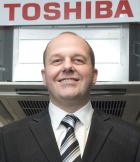
News of possible EU proposals to ban the sales of equipment pre-changed with refrigerant has received a cautious reaction from a major supplier. David Dunn, commercial director of Toshiba Air Conditioning, explains, ‘Banning the sales of air-conditioning equipment pre-charged with refrigerant has been suggested as a possible means of reducing the risk of leakage and making refrigerant sales more transparent.’
He is concerned that charging systems on site would add to the potential risk of refrigerant loss to atmosphere. ‘Charging refrigerant on site, no matter how carefully done, will never be as controllable, precise or safe as in the manufacturer’s factory, where charging is fully automated.’ There are also cost and time issues.
Responding to the proposals would require a manufacturer to recover refrigerant after run testing and then charging a unit with oxygen-free nitrogen prior to sealing and shipping.
David Dunn suggests that if the issue is accountability and traceability, manufacturers could provide returns documenting the quantity of refrigerant supplied in pre-charged equipment. he adds, ‘If the issue is reducing refrigerant release during installation, servicing and operation, policing the existing requirements and improving training is the most effective way of ensuring this.’