


University district-heating scheme receives delivery of 6.5 MW biomass boiler
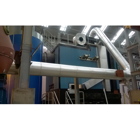
The £25 million Guardian Energy Project at the University of St Andrews moved a step closer to completion when the Vital Energi project team took delivery of the 6.5 MW biomass boiler furnace from its manufacturer Jernforsen based in Sweden. The biomass boiler and furnace is over 10 m high and will weigh over 130 t when operational.
When completed, the project will reduce CO2 emissions by around 6000 t a year. The boiler will achieve 87% efficiency at full-load conditions.
The furnace can generate heat above 1000°C. The high-temperature flue gases will pass through the exhaust-gas heat exchanger to generate MTHW within the energy centre.
The MTHW will pass through a system of heat exchangers to generate LTHW for distribution through a district-heating network to the North Haugh campus, where it will deliver heat and hot water for the next 50 years. The use of LTHW minimises system losses through the heat network and its operational costs.
The biomass boiler will use up to 17 000 t a year of locally sourced wood.
The project involves Vital Energi retrofitting an energy centre into a former paper mill alongside a 22 km district-heating network that will connect to 37 buildings and plant rooms.
Mike Cooke, regional director for Vital Energi, commented, ‘I believe that this is one of the most exciting energy projects in the whole of the UK, and the scale of the network, the carbon savings generated and the benefits to the local community make it unique.’