


Samsung launches new generation of DVM Plus VRF air conditioning
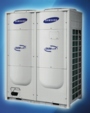
Samsung has launched the fourth generation of its DVM Plus digital VRF air-conditioning system for large buildings. Outdoor units are available in sizes from 8 to 20 hp and piping lengths and height separations have both been increased. Efficiencies have been increased, too, with, for example a 10 hp unit achieving a heating COP of 4.57 and a cooling EER of 3.98. A turbo cooler also increases energy efficiency through 2-stage compression and offers improved refrigerant flow rates and enhanced sub-cooling.
DVM Plus IV systems can have outdoor units variously combined to offer up to 80 hp (240 kW), supporting up to 64 indoor units.
The pipe length between outdoor units and furthest indoor unit can be up to 220 m, with a maximum height difference of up to 110 m. First branch joint to the furthest indoor unit can be up to 90 m.
There is a range of control options based on Samsung’s integrated management system. The Web-based data management server (DMS) provides control of up to 256 indoor units The Smart Net control system can control up to 16 DMS units, and hence 4096 indoor units. For hotels, the guest room management system activates the air-conditioning system when the guest’s key tag is inserted into the key holder. Units can also be controlled individually through wired or wireless remote controllers.